

新(xīn)聞中心(xīn)
| 地(di)址: | 河北(bei)省泊頭(tou)市道東(dong)街88号 |
| 電(dian)話: | 0317-8185077 |
| 0317-8263980 | |
| 0317-8223128 | |
| 傳真(zhen): | 0317-8265584 |
| E-mail: | [email protected] |

| 地(di)址: | 河北(bei)省泊頭(tou)市道東(dong)街88号 |
| 電(dian)話: | 0317-8185077 |
| 0317-8263980 | |
| 0317-8223128 | |
| 傳真(zhen): | 0317-8265584 |
| E-mail: | [email protected] |
| 輸送(sòng)乳化瀝(lì)青泵用(yòng)NYP220高粘度(dù)泵配YCJ225-235r-18.5KW減(jian)速機 | |||||||||||||||||||||||||||||||||||||||||||||||||||||||||||||||||||||||||||||||||||||||||||||||||||||||||||||||||||||||||||||||||
| 發(fa)布時間(jiān):2025-12-11 8:39:12 點擊次(cì)數: | |||||||||||||||||||||||||||||||||||||||||||||||||||||||||||||||||||||||||||||||||||||||||||||||||||||||||||||||||||||||||||||||||
organic cementing materials.Used in coatings, plastic, rubber and other industrial and paved road, etc. 中文(wen)名 瀝青(qīng)Chinese name asphalt CAS登錄号(hào)8052-42-4The CAS login number 8052-42-4 EINECS登錄号(hào)232-490-9EINECS registration number 232-490-9 熔 點 485Melting point 485 沸(fèi) 點<470 ℃boiling point < 470 ℃< iv> 水溶(róng)性不溶(rong)于水Water soluble does not dissolve in water 外 觀(guan)半固體(ti)或液體(tǐ)狀态Outside view half solid or liquid state 閃(shan) 點204.4Flash point 204.4 危險(xian)性描述(shu)健康危(wei)害:中等(děng)毒性Describe health hazard risk: medium toxicity 來(lái) 源煤和(he)石油To the source of coal and oil 成(chéng) 分瀝青(qīng)質和樹(shù)脂Into asphaltene and resin 含 量(liàng)99.48%Containing 99.48% 爆炸下(xia)限 30(g/立方(fāng)厘米)The lower explosive limit (30 g/cm3) 導(dao)電性能(néng)絕緣體(ti)(常溫下(xià))Conductivity insulator (room temperature) 瀝青屬(shu)于憎水(shui)性材料(liào),它不透(tòu)水,也幾(ji)乎不溶(róng)于水、丙(bing)酮、乙醚(mí)、稀乙醇(chun),溶于二(er)硫化碳(tan)、四氯化(hua)碳、氫氧(yǎng)化鈉。瀝(lì)青及其(qí)煙氣對(dui)皮膚粘(zhan)膜具有(yǒu)刺激性(xing),有光毒(dú)作用和(hé)緻癌作(zuo)用。我國(guo)三種主(zhu)要瀝青(qing)的毒性(xing):煤焦瀝(li)青>頁 岩(yan)瀝青>石(shi)油瀝青(qīng),前二者(zhe)有緻癌(ái)性。瀝青(qing)的主要(yào)皮膚損(sun)害有:光(guāng)毒性皮(pí)炎,皮損(sun)限于面(mian)、頸部等(děng)暴露部(bu)分;黑變(bian)病,皮損(sǔn)常對稱(chēng)分布于(yú)暴露部(bu)位,呈片(piàn)狀,呈褐(he)-深褐-褐(hè)黑色;職(zhi)業性痤(cuo)瘡;疣狀(zhuàng)贅生物(wu)及事故(gù)引起的(de)熱燒傷(shang)。此外,尚(shang)有頭昏(hun)、頭脹,頭(tou)痛、胸悶(mèn)、乏力、惡(è)心、食欲(yù)不振等(děng)全身症(zhèng)狀和眼(yan) 、鼻、咽部(bù)的刺激(ji)症狀。Asphalt is hydrophobic material, it impermeable, almost insoluble in water, dilute ethanol, acetone, ether, soluble in carbon disulfide, carbon tetrachloride, sodium hydroxide.Asphalt and flue gas of skin mucous membrane irritation, has the light effect and the effect that cause cancer.China's and other exposed parts;Melanosis, skin lesions often symmetrical distributed in the exposed parts, plate shaped, brown - deep brown - brown-black;Occupational acne;Verrucous vegetations and the irritation. 煤(mei)焦瀝青(qīng)Coal tar 煤焦瀝(li)青是煉(lian)焦的副(fù)産品,即(ji)焦油蒸(zheng)餾後殘(cán)留在蒸(zhēng)餾釜内(nei)的黑色(se)物質。它(ta)與精制(zhi)焦油隻(zhi)是物理(li)性質有(yǒu)分别,沒(méi)有明顯(xiǎn)的界限(xian),一般的(de)劃分方(fang)法是規(guī)定軟化(huà)點在26.7℃(立(li)方塊法(fa))以下的(de)為焦油(you),26.7℃以上的(de)為瀝青(qing)。煤焦瀝(lì)青中主(zhǔ)要含有(yǒu)難揮發(fa)的蒽、菲(fēi)、芘等。這(zhè)些物質(zhì)具有毒(du)性,由于(yú)這些成(chéng)分的含(hán)量不同(tóng),煤焦瀝(li)青的性(xing)質也因(yin)而不同(tong)。溫度的(de)變化對(duì)煤焦瀝(lì)青的影(ying)響很大(da),冬季容(rong)易脆裂(liè),夏季容(róng)易軟化(hua)。加熱時(shí)有特殊(shu)氣味;加(jia)熱到260℃.在(zài)5小時以(yi)後,其所(suo)含的蒽(en)、菲、芘等(děng)成分就(jiù)會揮發(fa)出來。Coal tar is a by-product of coking, namely tar distillation residue in distillation kettle black material.It has respectively with refined tar is only physical properties, there is no clear boundaries, is the way of dividing rules softening point in commonly 26.7 ℃ (cube method) for tar, under 26.7 ℃ above for asphalt.Coal tar mainly contains difficult volatilization of anthracene, phenanthrene, pyrene, etc.These substances have toxic, because the content of these compounds is different, the properties of coal tar are so different.The change of temperature has much effect on the coal tar, winter easy embrittlement, summer is easy to soften.Heating from time to tome special smell;Heated to 260 ℃ after 5 hours, its composition such as anthracene, phenanthrene, pyrene will evaporate. 石(shi)油瀝青(qīng)asphalt 石油瀝(li)青是原(yuan)油蒸餾(liu)後的殘(cán)渣。根據(ju)提煉程(cheng)度的不(bú)同,在常(chang)溫下成(chéng)液體、半(ban)固體或(huò)固體。石(shí)油瀝青(qing)色黑而(ér)有光澤(ze),具有較(jiao)高的感(gǎn)溫性。由(you)于它在(zài)生産過(guò)程中曾(céng)經蒸餾(liu)至400℃以上(shang),因而所(suǒ)含揮發(fā)成分甚(shen)少,但仍(reng)可能有(yǒu)高分子(zǐ)的碳氫(qing)化合物(wu)未經揮(huī)發出來(lai),這些物(wù)質或多(duo)或少對(duì)人體健(jian)康是有(you)害的。Petroleum asphalt is after crude distillation residue.Depending on the degree of refining, into a liquid, semi-solid or solid at room temperature.Petroleum pitch dark and luster, has higher heat resistance.Because it had distillation in the production process to more than 400 ℃, thus contained little volatile component, but may still have high polymer without volatile hydrocarbons, which more or less is harmful to human health. 天(tian)然瀝青(qing)Natural asphalt 天然瀝(li)青儲藏(cang)在地下(xia),有的形(xing)成礦層(céng)或在地(dì)殼表面(mian)堆積。這(zhè)種瀝青(qing)大都經(jing)過天然(ran)蒸發、氧(yǎng)化,一般(bān)已不含(han)有任何(hé)毒素。Natural asphalt storage in underground, some forming seam or piled up in the earth's crust surface.The asphalt mostly through the natural evaporation and oxidation, generally do not contain any poison. 煤(mei)、木材等(děng)有機物(wù)幹餾加(jiā)工所得(de)的焦油(yóu)經再加(jia)工後的(de)産品。工(gōng)程中采(cǎi)用的瀝(lì)青絕大(dà)多數是(shì)石油瀝(li)青,石油(yóu)瀝青是(shì)複雜的(de)碳氫化(huà)合物與(yu)其非金(jin)屬衍生(shēng)物組成(chéng)的混合(hé)物。通常(chang)瀝青閃(shǎn)點在240℃~330℃之(zhi)間,燃點(dian)比閃點(diǎn)約高3℃~6℃度(du),因此施(shi)工溫度(du)應控制(zhì)在閃點(dian)以下。Asphalt material divided into two categories, pitch and bitumen.Asphalt is divided into natural asphalt and petroleum asphalt, natural bitumen is oil seepage surface after long exposure and evaporation residue;Petroleum asphalt is a residual of residual oil will be refined processing, after appropriate processing products.Bitumen is coal, wood and other organic matter carbonization processing tar after reprocessing of products.Engineering used in the asphalt is the vast majority of asphalt, asphalt is a complex mixture of hydrocarbons with nonmetal derivatives.Usually asphalt flash point between 240 ℃ ~ 330 ℃, flash point is higher than flash point about 3 ℃ ~ 6 ℃ degrees, so the construction temperature should be controlled below the flash point.v 高(gāo)粘度齒(chi)輪泵并(bìng)不能産(chǎn)生壓力(lì),它隻是(shi)輸出流(liu)量。壓力(li)低或無(wú)壓力,說(shuo)明高粘(zhan)度齒 輪(lun)泵沒有(you)吸入液(yè)體或洩(xie)漏嚴重(zhòng)。 電動機(ji)輸出功(gōng)率偏小(xiǎo)、齒 輪泵(bèng)排量選(xuǎn)得過大(dà)或壓力(lì)調得過(guo)高時,也(yě)會造成(cheng)壓力不(bú)足 當然(ran),壓力表(biǎo)損壞或(huo)壓力表(biao)節流孔(kǒng)堵塞時(shi)也顯示(shi)不出壓(yā)力,此時(shí)可換裝(zhuāng)一個新(xin)的壓力(lì)表檢查(cha)。 如果确(que)認泵無(wu)流量輸(shu)出,可能(néng)是由于(yu)泵安裝(zhuāng)有誤、泵(beng)的轉向(xiàng)不對,或(huo)吸人側(cè)(進液口(kou)及吸液(ye)管道)堵(du)塞、出口(kou)止回閥(fa)裝反或(huo)卡死了(le),也有可(ke)能是驅(qu)動軸斷(duan)裂了。 高(gao)粘度泵(beng)在轉速(su)過低時(shí)會引起(qi)出液量(liàng)不足,這(zhe)種現象(xiàng)往往是(shì)由于泵(bèng)的驅動(dong)裝置打(da)滑或功(gong)率不足(zu)所緻。此(cǐ)時應檢(jian)查齒 輪(lún)泵的實(shí)際轉速(sù)、泵與電(dian)動機的(de)聯接及(jí)功率匹(pi)配情況(kuang)等。 高粘度(dù)齒輪泵(beng)的吸油(yóu)管道内(nèi)徑應足(zu)夠大,并(bing)避免狹(xia)窄通道(dào)或急劇(jù)拐彎、減(jian)少彎頭(tóu),去除不(bu)必要的(de)閥門、附(fù)件,盡可(ke)能地降(jiàng)低泵的(de)安裝高(gao)度,縮短(duǎn)吸油管(guǎn)道的長(zhǎng)度,以減(jian)少壓力(li)損失。管(guan)接頭等(deng)元件的(de)密封要(yao)良好,以(yǐ)防止空(kōng)氣侵入(ru),從而控(kong)制氣穴(xue)與氣蝕(shi)的發生(shēng)。止回閥(fá)與安全(quan)閥在齒(chi)輪泵的(de)輸出管(guǎn)路上最(zuì)好安裝(zhuang)一個止(zhǐ)回閥。這(zhè)樣在檢(jiǎn)修泵及(ji)輸出管(guan)道時,系(xì)統中的(de)液體不(bú)會發生(shēng)倒流。齒(chi)輪泵帶(dài)負荷停(tíng)車時,亦(yì)可防止(zhǐ)泵倒轉(zhuǎn)而在其(qi)輸出管(guan)道内産(chan)生局部(bù)真空。應(ying)當注意(yì),出口止(zhǐ)回閥不(bu)能裝反(fan)或出現(xiàn)卡死現(xian)象。高粘(zhān)度泵的(de)出口管(guan)路上還(hai)應當設(shè)置安全(quan)閥等保(bǎo)護裝置(zhi),這樣一(yī)旦泵的(de)出口通(tōng)道發生(shēng)堵塞,就(jiu)可以打(da)開安全(quán)閥卸壓(yā)。安全閥(fá)可以與(yǔ)泵體或(huo)泵蓋鑄(zhù)成一體(ti),也可以(yǐ)單獨裝(zhuang)配。對于(yu)需要正(zheng)反轉的(de)高粘度(du)齒輪泵(beng),其進出(chu)口管路(lù)上均需(xū)設置安(ān)全閥。 1、工作(zuo)壓力的(de)選定 2.安裝與(yǔ)試運轉(zhuan) 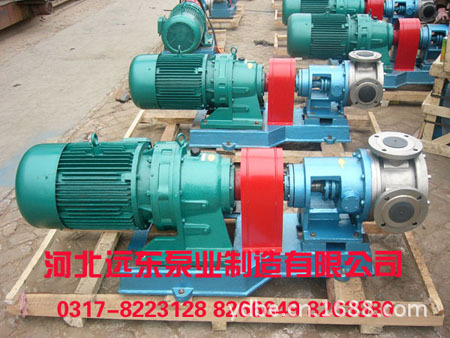 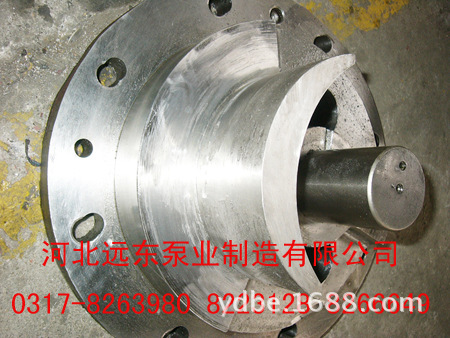 高粘度(dù)泵的出(chu)口管路(lù)上還應(yīng)當設置(zhi)安全閥(fa)等保護(hù)裝置,這(zhè)樣一旦(dàn)泵的出(chū)口通道(dào)發生堵(dǔ)塞,就可(kě)以打開(kāi)安全閥(fa)卸壓。對(duì)于需要(yao)正反轉(zhuǎn)的高粘(zhan)度齒輪(lun)泵,其進(jin)出口管(guan)路上均(jun1)需設置(zhi)安全閥(fá)。 如何選(xuǎn)型 選擇(zé)高粘度(du)泵時應(ying)該注意(yi)泵所輸(shu)送的具(ju)體粘度(dù)、工作溫(wēn)度、介質(zhi)比重、介(jiè)質成分(fen)等等,隻(zhī)有更好(hao)的了解(jiě)高粘度(dù)泵所輸(shū)送的介(jie)質情況(kuang)才能更(geng)好的選(xuǎn)擇所需(xū)要的高(gāo)粘度泵(beng)産品。 第(di)一、必須(xū)了解高(gāo)粘度泵(beng)所輸送(sòng)的介質(zhi)粘度。因(yin)為介質(zhi)粘度的(de)高低直(zhí)接影響(xiǎng)到選擇(zé)高粘度(du)泵的轉(zhuan)速。 第二(er)、了解高(gāo)粘度泵(beng)所輸送(song)介質的(de)性質,例(li)如有沒(mei)有腐蝕(shí)性。 第六、高(gāo)粘度泵(bèng)所輸送(sòng)的介質(zhi)是否有(yǒu)懸浮物(wu)。 第七、高(gao)粘度泵(bèng)所輸送(song)介質受(shòu)溫度變(bian)化情況(kuang)。 第八、高(gao)粘度泵(bèng)所輸送(song)介質的(de)潤滑性(xing)、清潔度(du)、腐蝕性(xing)等。 第九(jiǔ)、高粘度(du)泵要求(qiú)進口壓(ya)力及出(chū)口壓力(lì)和安裝(zhuang)高度。 第(di)十、高粘(zhān)度泵使(shǐ)用場合(hé)的防爆(bào)要求。
|
·
›
·•